

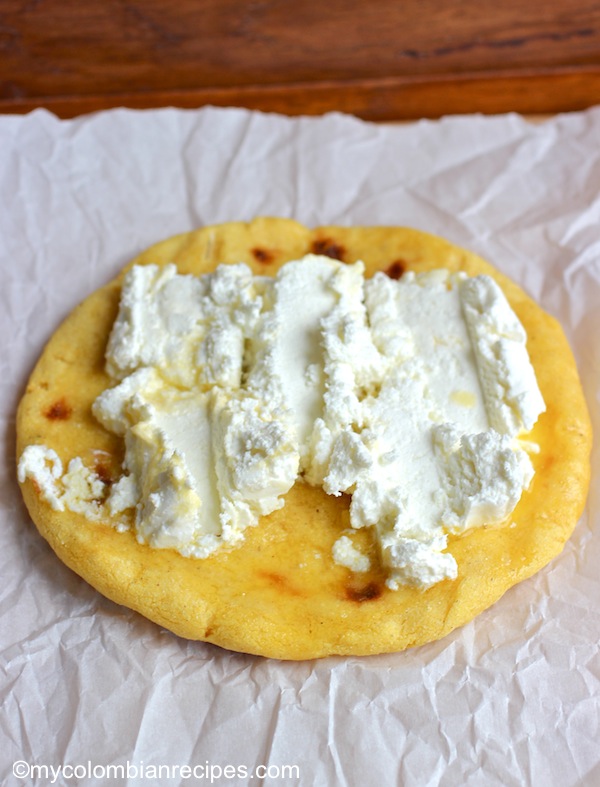
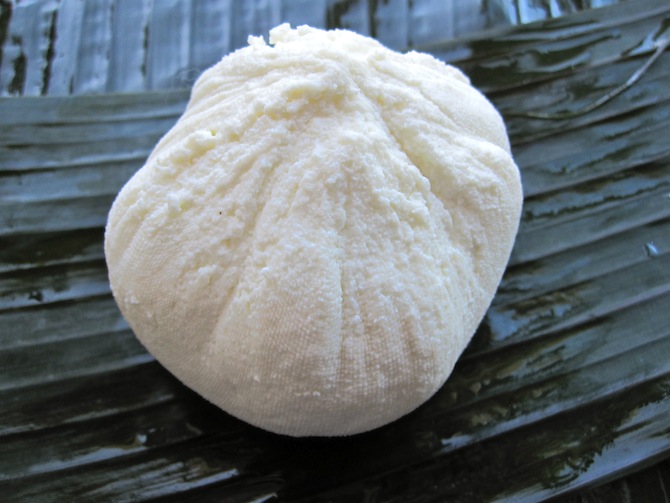
Homemade fresh cheese recipe, this quesito colombiano is a popular dish in Colombia. It's perfect to served on top of arepas.
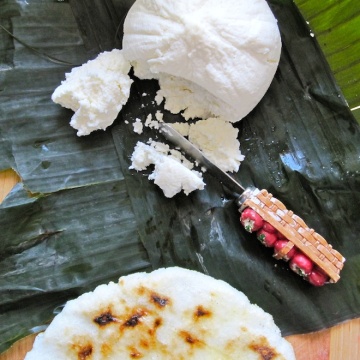
Quesito Colombiano (Colombian Fresh Cheese)
Ingredients
- 1 gallon of whole milk
- ½ cup white vinegar
- Salt to your taste
Instructions
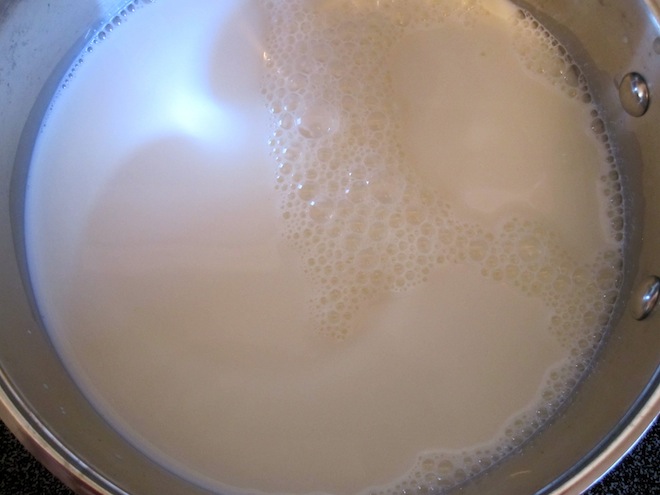
- Place the milk in a large pot. Heat over medium-high heat to 120 degrees F. if you don't have a candy thermometer, just touch the milk with your finger and the milk is ready when you can't stand the heat of it. Be careful, don't burn your fingers!
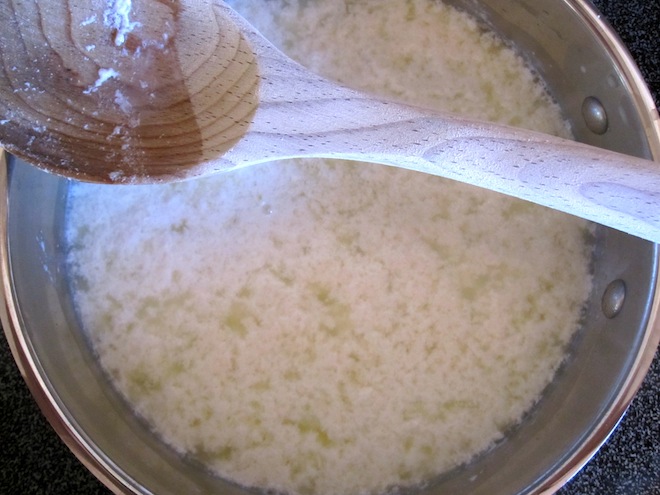
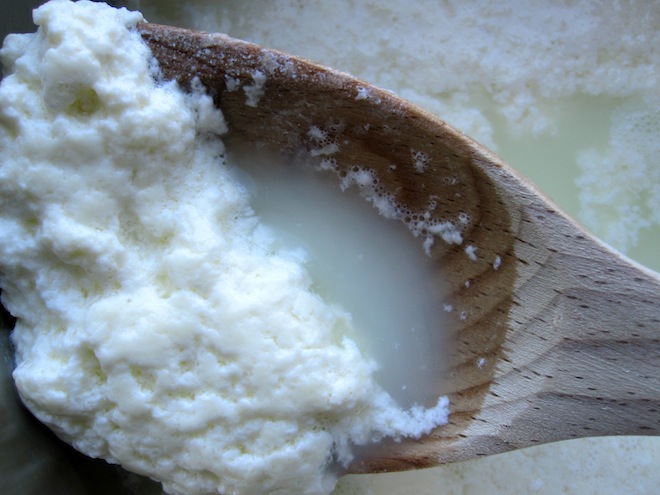
- Remove from heat and add the vinegar. Stir well with a wooden spoon and Let it sit for about 40 minutes at room temperature.
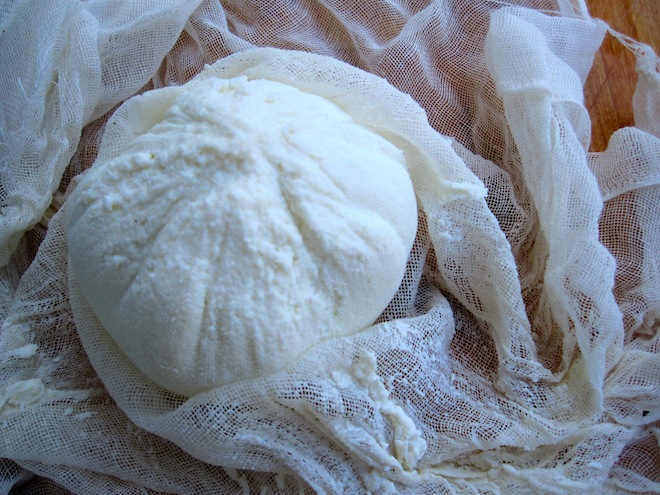
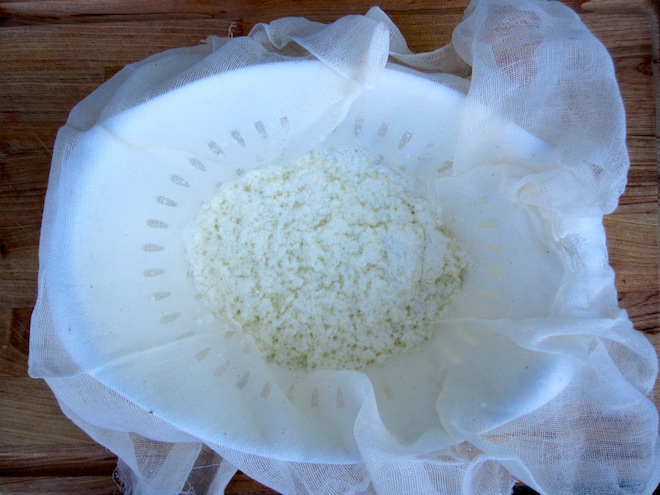
- Line a strainer with a layer of cheesecloth and place it over a large bowl.Pour the mixture into the cheesecloth Let drain for about 30 minutes. Squeeze out all the liquid, wrapping the curd with the cheese cloth. Add the salt and mix well.
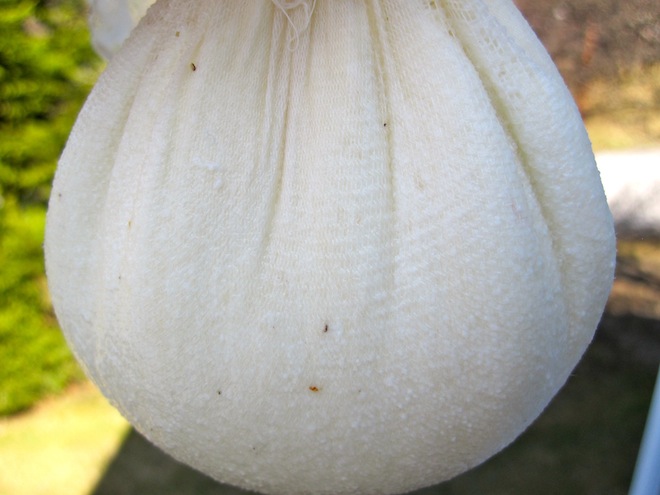
- Hang the cheese for about 30 minutes.
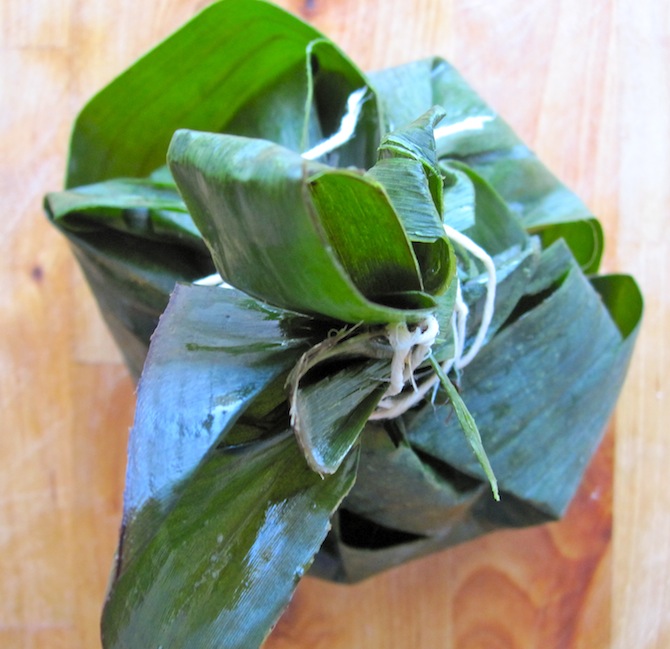
- Place the quesito in molds or wrap with banana leaves and refrigerate for up to 2 days.
Nutrition
Calories: 2294kcalCarbohydrates: 177gProtein: 124gFat: 121gSaturated Fat: 70gPolyunsaturated Fat: 4gMonounsaturated Fat: 26gCholesterol: 454mgSodium: 1441mgPotassium: 5681mgSugar: 182gVitamin A: 6132IUCalcium: 4664mgIron: 1mg
Have you Tried this Recipe? Tag me Today!Mention @mycolombianrecipes and tag #mycolombianrecipes!
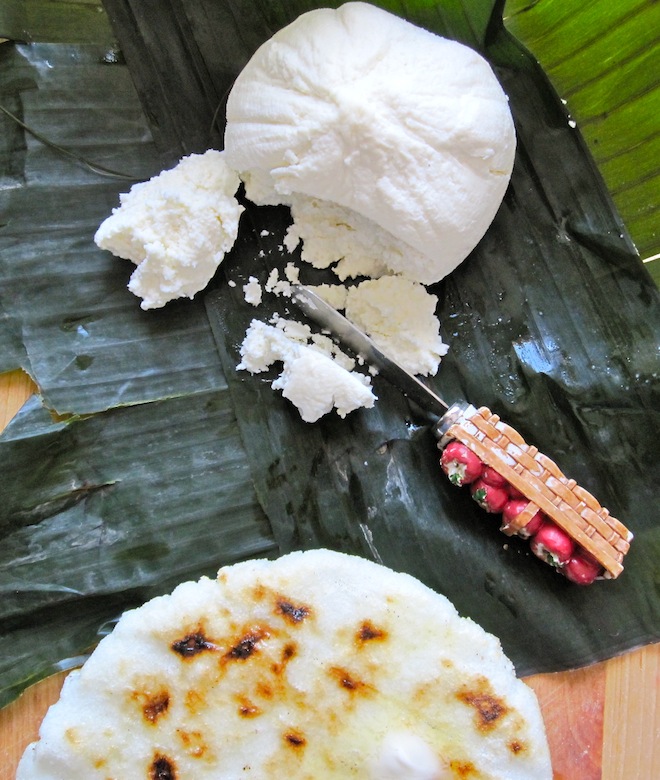
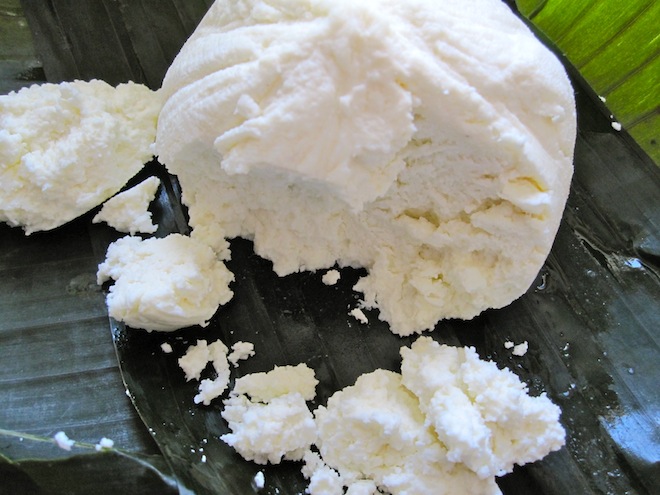
Quesito Colombiano can be compared to Mexican Queso Fresco, and is made by simply processing the curds of cow's milk. The result is a creamy, soft and white cheese. We Colombians love our Quesito and it is widely used in Colombian cuisine. You will often find it in Colombian recipes, as a side dish for Colombian desserts, and as an arepa topping for a traditional every day breakfast.
Buen provecho!
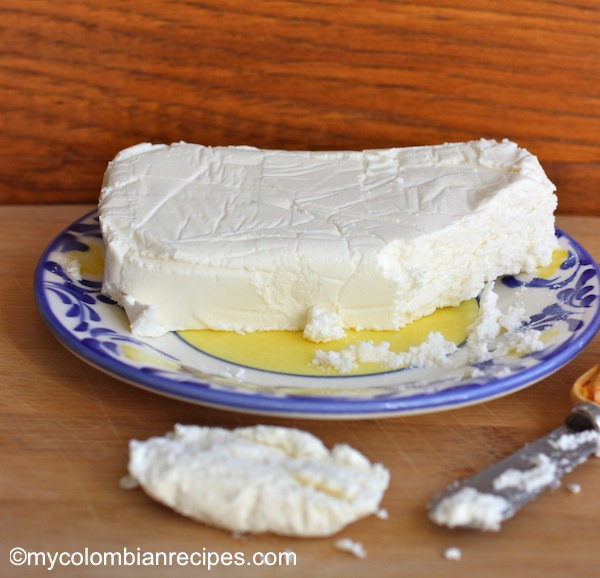
Making Quesito at home is very easy. You can make it using cuajo or rennet tablets, or just white vinegar. Here is my simple recipe to make it using white vinegar.
Enjoy it!
Juan Runnells
One of my favorite cheeses, mainly because I am of costeño decsent.
The only thing missing in this recipe is cuajo ( rennet) It is not costeño cheese with out rennet. Typically, the lining of a young calf is used, however for the squeamish, for a gallon or 4 L of milk, I would mix 1/2 a tablet of rennet, dissolved in 100ml of water, and mix in with the milk before adding the vinegar. Rennet is not optional, it not only aids in the curdling of the cheese, but adds the proper flavouring to the cheese.
Erica Dinho
This is not a recipe for Queso Costeño. It's a quesito recipe. Thanks for sharing yours!
Tara
Juan how do I make the rennet from the cuajo. I was given some cuajo salted and dried from a friend of mine but I don't know how to use it in making cheese
Paula
Se puede congelar para que dure más? Si la respuesta es si, por cuánto?
Mil gracias!
Erica Dinho
Nunca lo he congelado!
Vicente perez
el queso congelado no es buena idea
Michelle
What about grinding the cheese before molding it. That’s what my grandmother taught me. But I no longer have a grinder.
Stephanie V.
Fantastic recipe. I followed it exactly as written and it came out perfect. I paired it with melao! I also used Himalayan pink sea salt to salt my cheese. Made 1.5 gallons of milk worth of cheese! Lol! Will be using some of it to make pan de yuca tomorrow! Thanks for sharing such a great and easy recipe!
Jorge
Erika, es posible remplazar las ojas de platano con algo diferente? no he podido conseguir las hojas de platano.
Gracias
Erica Dinho
Puedes usar cualquier recipiente(un molde que puedas tapar)
María G
Could we use 2% milk for this recipe? I forgot to buy whole milk Thanks!! I love your recipes
Erica Dinho
I always use whole milk.
Sandra
Muchas gracias por esta y todas las recetas de nuestra Hermosa tierra.
Que prodriamos hacer con el claro que sale? Para no botarlo.
Gracias
Michelle
Smoothies. Es proteína.
Anonymous
Empeze a hacer el quesito, pero se me olvido calendar la leche antes de ponerle el vinagre, que hagooooooooooooo?
Ayudaaaaaaaaaaaaaaaaaaaaaaaaa por favor
Daiana
Hello Erica, I tried the recipe and the consistency of the cheese is rather creamy, not quite as crumbly as I thought it should be. Any suggestions on achieving a more "crumbly" consistency?